Literacy Instruction. On Purpose.
Utilizing the science of learning and the science of reading to change lives.
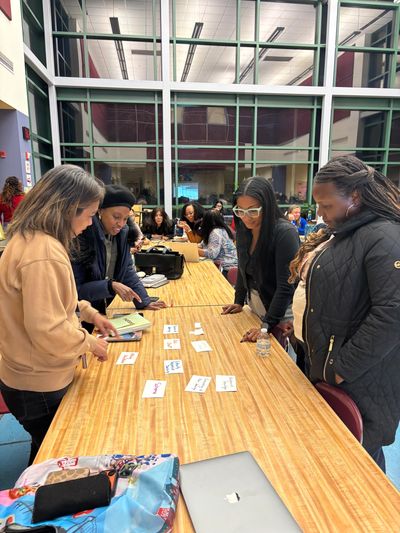
Students in grades 4–12 encounter increasingly complex texts, concepts, and disciplinary vocabulary. The SoLaR Lab supports educators in understanding adolescent literacy as a shared responsibility, emphasizing Purposeful Literacy. By leveraging insights from the science of learning and the science of reading, teachers can apply practical approaches to vocabulary development, knowledge building, comprehension, and learning across content areas, including the implementation of Targeted Assistance Plans.
The LILACS Framework for Culturally Sustainable Pedagogy aids educators in exploring how cultural humility, relationships, multisensory learning, reflection, cultural responsiveness, and positive reinforcement influence the classroom experience. By integrating the principles of purposeful literacy and the science of learning, LILACS supports more effective instructional strategies. It's important to note that LILACS is not merely an addition to effective instruction; rather, it encourages educators to make instructional decisions with greater intention, humanity, and responsiveness, including the development of targeted assistance plans, all rooted in the science of reading.
Stay up-to-date with the latest educational news and trends by reading our blog, where we explore topics such as Purposeful Literacy and the science of learning. Our team of experts regularly shares insights and advice on a variety of subjects related to education, career development, and effective strategies like the science of reading and Targeted Assistance Plans.
Receive new resources, upcoming learning opportunities, and practical ideas for strengthening purposeful literacy and enhancing understanding of the science of learning and the science of reading through Targeted Assistance Plans.
Heather Blackwell is a literacy scholar, college professor, and professional learning leader who founded Purposeful Literacy. Her work bridges the science of reading and the science of learning with culturally sustainable pedagogy, addressing the practical realities faced in classrooms and education systems. By focusing on Targeted Assistance Plans, she empowers educators through research, teaching, technical assistance, and facilitation, making complex concepts clear and applicable.